November 16, 2026
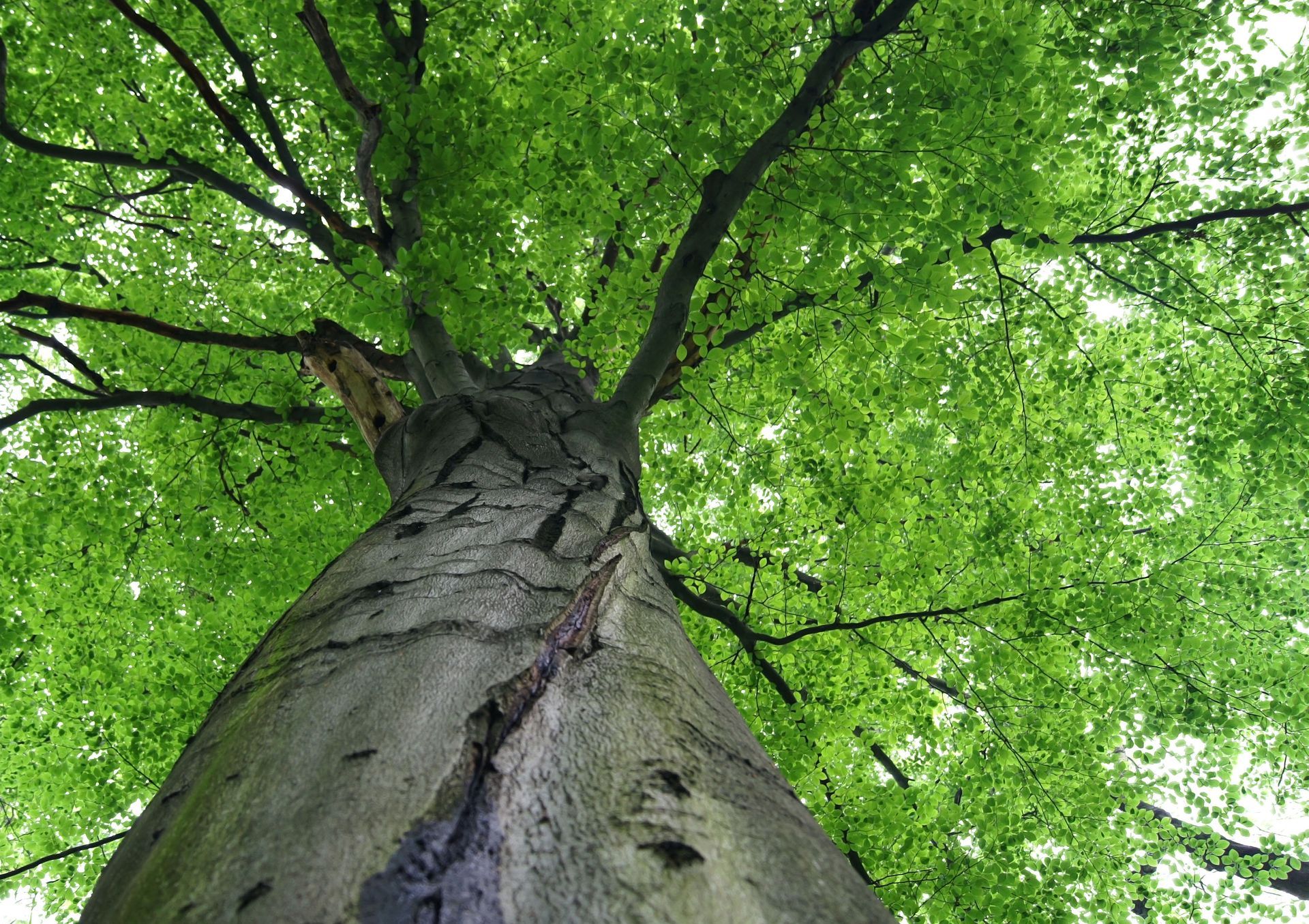
Healthy trees bring shade, character, and wildlife habitat to a property, but they still need attention as conditions change. Storms, compacted soil, pests, and poorly placed branches can affect growth long before a tree looks unhealthy. A tree care company can assist with trimming and other work that requires specialized tools, while everyday observation plays an important role in keeping trees in good condition.
1. Inspecting Trees for Early Warning Signs
A simple inspection starts by looking at the entire tree, from the canopy to the ground. Notice whether branches have broken, leaves are changing color unexpectedly, or sections of the crown appear thinner than usual. Cracks in major limbs, cavities, and mushrooms growing near the trunk can also warrant attention. Not every unusual feature means a tree is failing, but changes are worth documenting, especially after severe weather.
Look beyond the branches, too. Exposed roots, soil piled against the trunk, and damage from lawn equipment can create problems over time. Taking photographs from the same spot several times a year makes gradual changes easier to recognize.
If a tree has a large hanging limb, a sudden lean, or visible damage near a building, keep people away from the affected area and seek professional guidance. A tree care company can evaluate trimming needs, although an advanced diagnosis of disease or structural stability may require a qualified arborist. Early attention creates more options and helps property owners avoid unnecessary work.
2. Pruning Branches With a Purpose
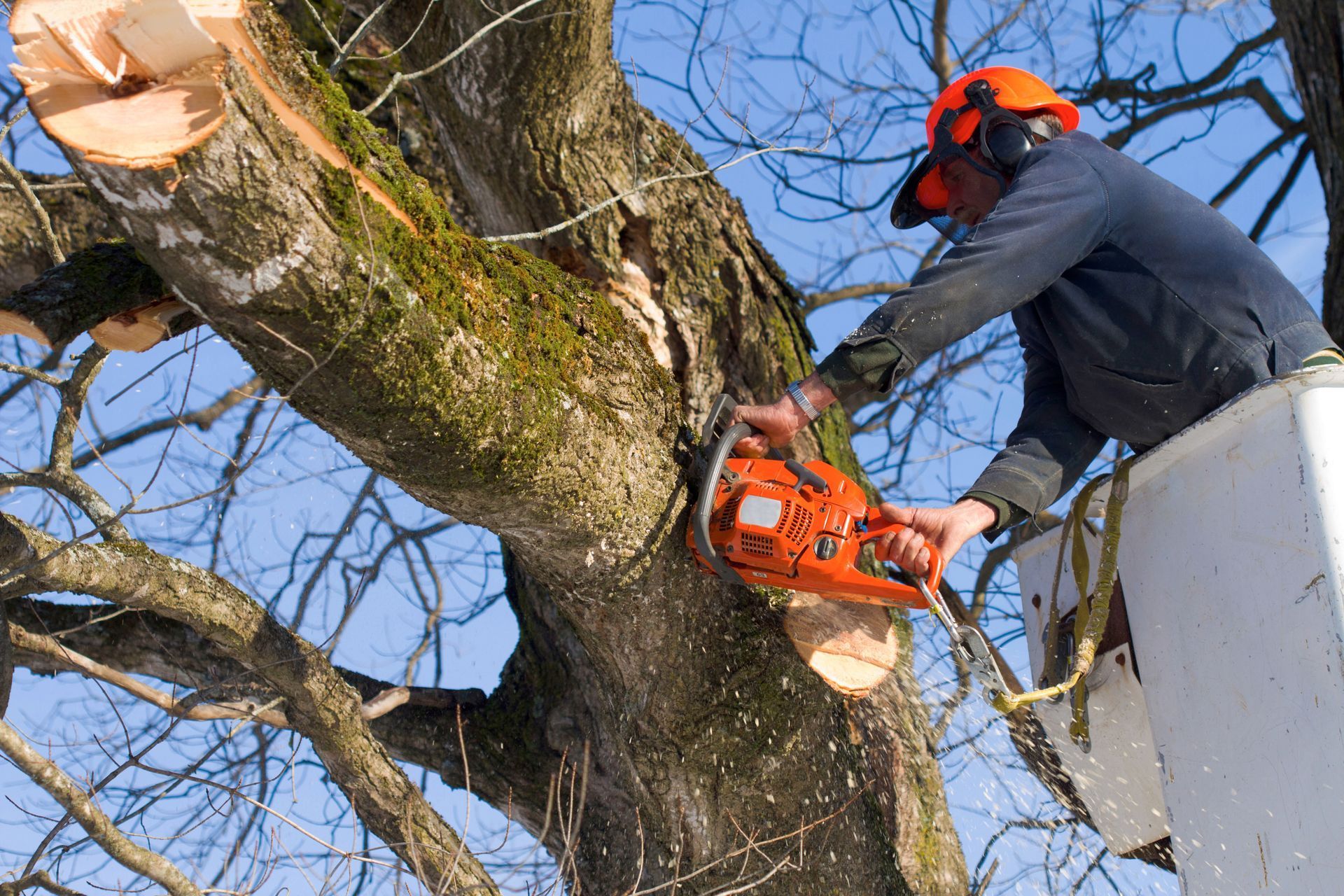
Pruning should solve a specific problem rather than simply make a tree smaller. Removing dead, broken, or rubbing branches can reduce hazards and improve structure. Selective cuts on young trees can also guide the development of strong branch connections. Taking off too much living growth, however, reduces the leaves a tree uses to produce energy. Topping large branches to control height can create weak regrowth and should generally be avoided.
According to The Spruce, young trees under five years old should be pruned every one to two years, while mature trees typically need trimming every three to five years. These intervals are general guidance, not a fixed schedule. Species, growing conditions, prior damage, and the purpose of pruning all matter. Newly planted trees may need time to establish before structural pruning begins, and some mature trees need very little intervention.
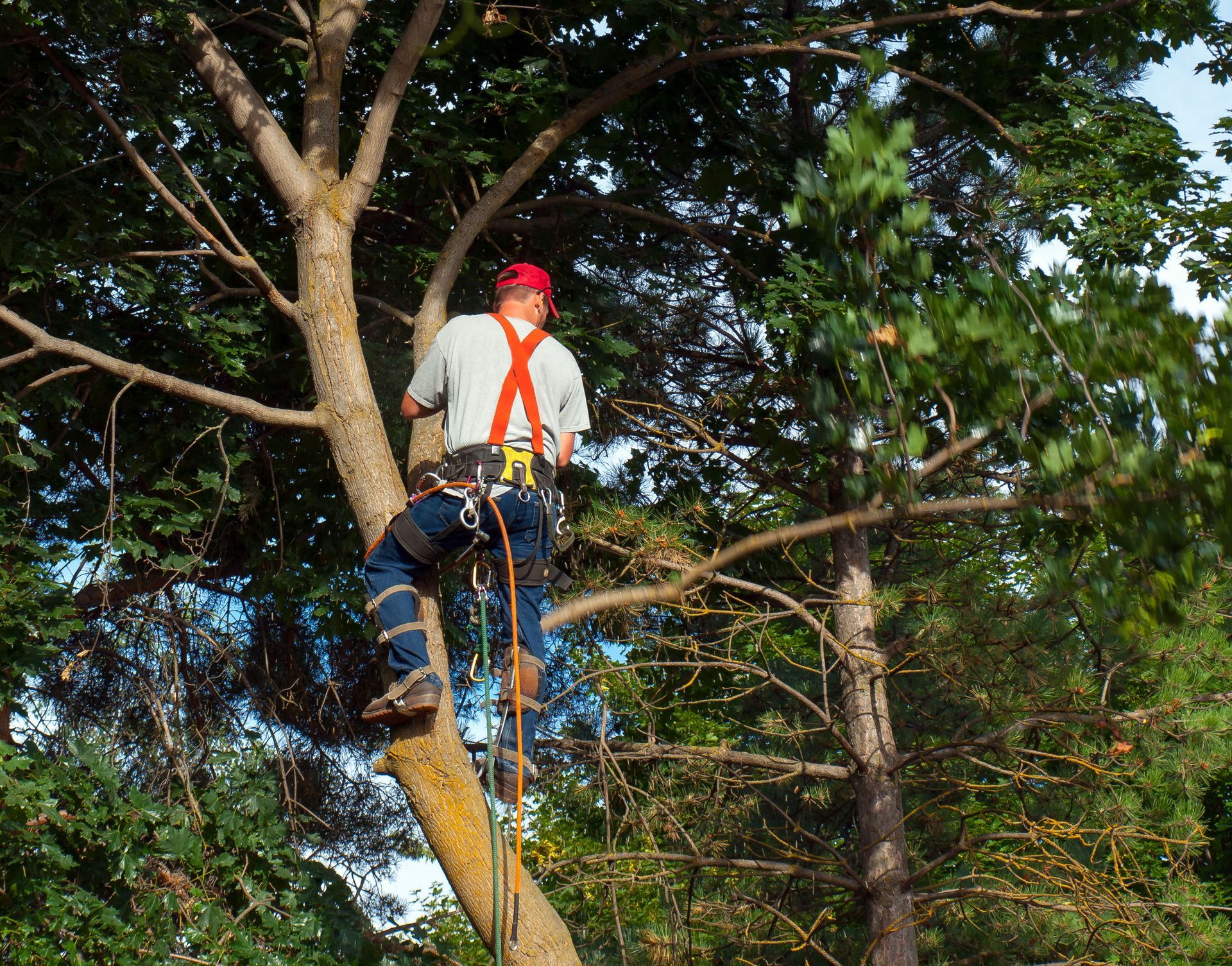
Timing and technique matter as much as frequency. A tree care company can help identify branches that need attention and avoid unnecessary cuts. Work high above the ground, near power lines, or involving heavy limbs should not be a do-it-yourself project.
3. Protecting the Soil and Root System
The roots that support a tree often extend well beyond the area directly beneath its canopy. They need moisture, oxygen, and enough open soil to grow. Repeated vehicle traffic, construction equipment, and stored materials can compact the ground, limiting water movement and root development. Protecting root zones during yard projects is therefore a practical form of preventive maintenance.
Mulch can help conserve moisture, moderate soil temperature, and reduce competition from grass. Spread an appropriate layer across a broad area rather than piling it against the trunk. A mound of mulch touching bark can trap moisture and contribute to decay. Keep lawn mowers and string trimmers away from the base, where even small wounds can become lasting injuries.
Water needs change with rainfall, soil type, and tree age. Newly planted trees generally need closer attention while their roots establish; older trees may need supplemental watering during prolonged dry periods. Before assuming a tree needs fertilizer, inspect the site and consider soil testing. A tree care company may address problems in the canopy, but roots and soil conditions deserve equal attention when planning long-term maintenance.
4. Recognizing Pests and Disease Problems
Insects and fungi are normal parts of a landscape, and seeing them does not always mean a tree needs treatment. Look instead for patterns such as repeated leaf loss, unusual holes in bark, clusters of insects, or branches that decline over several weeks. The cause might be a pest, but drought, damaged roots, poor drainage, and other stresses can produce similar symptoms.
Identifying the cause before treating it matters. Applying pesticides without a diagnosis can waste resources and affect beneficial insects. A local cooperative extension office or qualified tree-health specialist can help identify symptoms and determine whether monitoring or treatment is appropriate. Some problems are best managed by improving growing conditions rather than applying chemicals.
Good pruning practices can also limit problems. Remove broken limbs when appropriate, use sound cutting techniques, and avoid transporting potentially infested wood when local restrictions apply. If widespread decline appears or damage seems to threaten nearby trees, ask for guidance promptly. A tree care company can address hazardous or damaged branches, while specialized diagnosis and pesticide use should be handled by properly qualified professionals.
5. Fertilizing Only When a Tree Needs It
Fertilizer is not a routine cure for yellowing leaves or slow growth. Those symptoms can result from compacted soil, inadequate water, root damage, or changes in light. Adding nutrients without understanding the cause may do little to help and can sometimes increase stress. Many established landscape trees receive sufficient nutrients from the soil and decomposing organic material.
A soil test can reveal pH and nutrient conditions that are difficult to judge by appearance alone. If a deficiency is identified, an appropriate fertilizer and application plan may support growth. The needs of a newly planted tree can differ considerably from those of a mature one. Applying more than the recommended amount will not automatically make either tree healthier.
Good care starts with the basics: adequate rooting space, sensible watering, and protection from mechanical damage. When concerns involve low-hanging, dead, or crowded branches, a
tree care company may be the right contact for pruning. When symptoms point to soil chemistry or a disease, ask an extension specialist or qualified arborist for guidance before investing in treatments.
6. Planning Maintenance for Every Season
Tree care works best as an ongoing habit rather than a reaction to a fallen limb. Walk the property after major storms and at seasonal changes. Look for new cracks, branches touching structures, or growth that obstructs a walkway. Record any changes and arrange professional work when necessary. The goal is to respond to real conditions, not to remove healthy branches on a calendar alone.
Young trees benefit from thoughtful placement and protection while they become established. Leave enough space for their expected mature size, and avoid planting where roots or branches will conflict with buildings and utilities. For older trees, preserving healthy growth and managing identifiable hazards often matters more than frequent reshaping. Keep family members, tenants, or other property users informed when an area has been temporarily restricted for safety.
Healthy trees also provide benefits beyond appearance. Their shade can make outdoor spaces more comfortable, and their branches offer habitat for birds and other wildlife. Maintaining those benefits calls for care that respects each tree's age, species, and surroundings rather than treating every tree the same way.
Good tree maintenance combines observation, careful pruning, and attention to the conditions around the roots. Property owners do not have to manage every challenge alone, particularly when large branches or damaged trees create safety concerns. For tree trimming, tree removal, or stump grinding, contact Kelley's Tree Services, LLC to discuss your property's needs and explore appropriate next steps.